
The 8 Branches of Traditional Chinese Medicine: A Holistic Approach to Health and Healing
When most people think of Traditional Chinese Medicine (TCM), acupuncture is usually the first thing that comes to mind. But acupuncture is just one part of a much larger and more comprehensive system of medicine that has evolved over thousands of years.
Traditional Chinese Medicine views the body as an interconnected whole rather than a collection of separate organs or symptoms. It recognizes the relationship between physical health, emotional well-being, lifestyle, and our surrounding environment.
Traditionally, Chinese medicine is described through eight branches, each offering a different approach to supporting the body's natural ability to maintain balance and promote wellness. These branches can be used independently or together, depending on an individual's needs, constitution, and health concerns.
1. Meditation and Self-Cultivation

In Chinese medicine, health is not limited to the physical body. Emotional well-being, mental clarity, and the ability to manage stress are also considered important aspects of overall health.
Meditation and self-cultivation practices encourage individuals to develop greater awareness of their thoughts, emotions, breathing, and internal state. These practices are rooted in Taoist philosophy, which emphasizes living in harmony with nature and cultivating balance within oneself.
Practices may include:
Meditation and mindfulness
Breathing exercises
Quiet reflection and contemplation
Emotional awareness and self-regulation
Practices that cultivate inner peace and resilience
From a Chinese medicine perspective, prolonged emotional stress can disrupt the smooth circulation of Qi (vital energy) and contribute to patterns of imbalance. Cultivating a calm, balanced mind is therefore considered an important part of maintaining health.
2. Qigong, Tai Chi, and Movement
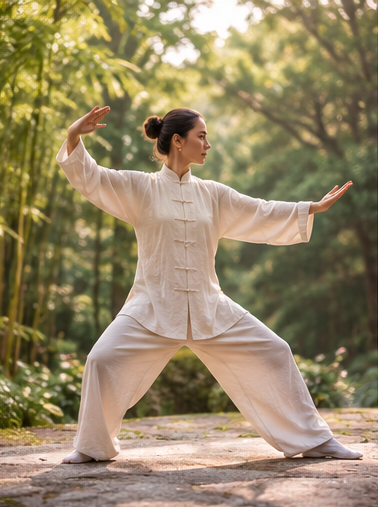
Movement is considered essential to maintaining the healthy circulation of Qi and Blood throughout the body. In Chinese medicine, stagnation or impaired circulation is associated with discomfort, tension, and other patterns of imbalance.
Qigong (pronounced chee-gung) combines gentle movement, controlled breathing, posture, and focused awareness to cultivate and regulate Qi.
Tai Chi (Taijiquan) is a flowing movement practice that combines balance, coordination, breathing, and mindful movement. Although it developed as a martial art, it is widely practiced today for its health and wellness benefits.
Examples include:
Qigong exercises
Tai Chi
Gentle stretching and mindful movement
Breathing and posture exercises
These practices can support balance, flexibility, mobility, stress management, and physical conditioning. They also encourage people to take an active role in maintaining their own health.
3. Food Therapy and Nutrition
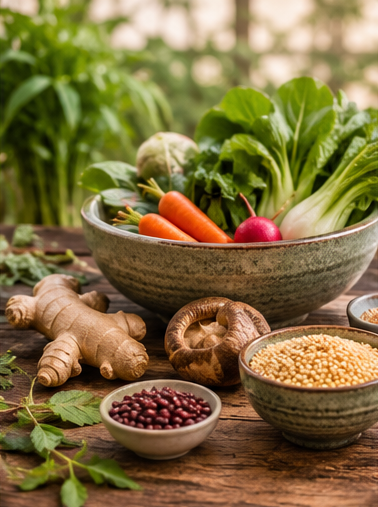
Food is considered one of the foundations of health in Chinese medicine. The traditional philosophy of food therapy is based on the idea that what we eat can influence the body's internal balance.
Chinese dietary therapy looks beyond calories and nutrients. Foods are traditionally classified according to their energetic properties, including warming, cooling, neutral, and their associated flavors.
The five primary flavors are:
Sweet: Traditionally associated with nourishing and supporting the Spleen and Stomach systems.
Sour: Associated with astringing and gathering.
Bitter: Associated with clearing and draining.
Pungent: Associated with dispersing and moving Qi.
Salty: Associated with softening and directing movement downward.
Food choices may also be adjusted according to the seasons, an individual's constitution, age, digestion, and patterns of imbalance.
For example, warming foods such as ginger, cinnamon, and cooked soups may be recommended for someone exhibiting signs of internal cold, while cooling foods may be selected for someone showing signs of internal heat.
The goal is to use food as a daily form of nourishment and support, rather than simply treating symptoms after they develop.
4. Bodywork and Manual Therapies (Tui Na)
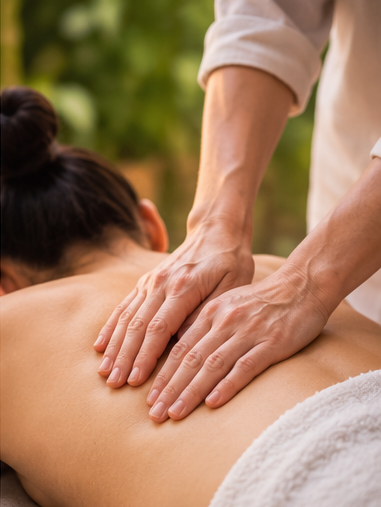
Tui Na (pronounced twee-nah) is a traditional Chinese therapeutic bodywork practice that uses hands-on techniques to influence muscles, joints, and the body's channel systems.
Unlike conventional relaxation massage, Tui Na is generally more treatment-oriented and is selected according to the individual's presentation and needs.
Techniques may include:
Pressing and acupressure
Kneading and rolling
Stretching and joint mobilization
Rhythmic tapping and manipulation
Techniques intended to encourage circulation and relieve tension
Other commonly associated Chinese medicine bodywork practices include:
Gua Sha: A technique involving gentle scraping of the skin with a smooth-edged tool. It is traditionally used to address stagnation and encourage circulation.
Cupping: Uses suction cups placed on the skin to create negative pressure. It is commonly used for muscular tension and discomfort.
Acupressure: Applies pressure to specific acupuncture points without the use of needles.
These therapies are intended to address physical tension, discomfort, and restricted movement while supporting the body's overall balance.
5. Cosmology, Astrology, and the Cycles of Nature
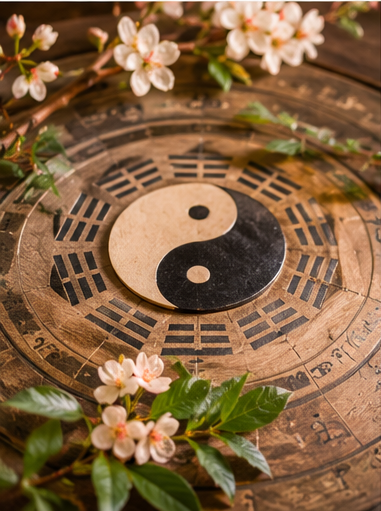
Chinese medicine developed within a philosophical tradition that recognizes the relationship between human beings and the natural world.
Cosmology explores how the cycles and patterns of nature relate to human health and well-being. Rather than viewing people as separate from their environment, this perspective considers the influence of seasonal changes, temperature, daylight, and natural rhythms.
Important concepts include:
Yin and Yang: The complementary forces that represent opposing yet interdependent qualities, such as rest and activity, darkness and light, and cooling and warming.
Five Elements (Wu Xing): Wood, Fire, Earth, Metal, and Water. These phases describe relationships and cycles that are used to understand the functions of the body and its relationship with nature.
I Ching (Book of Changes): An ancient Chinese philosophical text concerned with patterns of change and transformation.
Seasonal Cycles: The changing seasons and their relationship to activity, rest, nourishment, and adaptation.
Traditional Chinese astrology and related systems also explore patterns of time and natural cycles.
Within this branch, the broader goal is to understand how living in harmony with natural rhythms support health and balance.
6. Feng Shui and Environmental Energetics
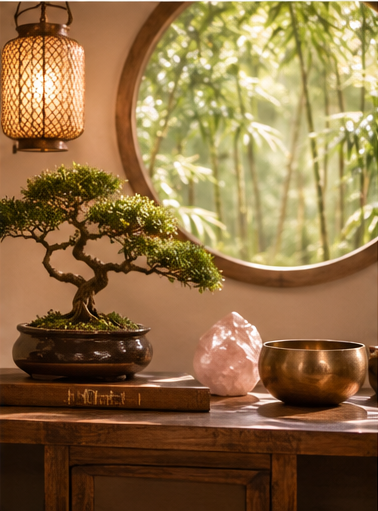
Feng Shui, which translates roughly to "wind and water," is the traditional Chinese practice of arranging living and working environments in harmony with the natural world.
In Chinese philosophy, the environment is believed to influence the flow of Qi, and the spaces in which we live, work, and rest are considered important to our overall well-being.
Feng Shui considers factors such as:
The arrangement and orientation of a home or workspace
Natural light and ventilation
The placement of furniture and objects
The relationship between indoor and outdoor spaces
The use of the Five Elements to create a sense of balance
The intention is to create an environment that feels supportive, peaceful, and harmonious rather than chaotic or stagnant.
Although Feng Shui is not a substitute for medical treatment, its emphasis on creating restorative surroundings reflects an important principle of Chinese medicine: our health is influenced not only by what happens inside our bodies but also by the environments in which we live.
7. Chinese Herbal Medicine
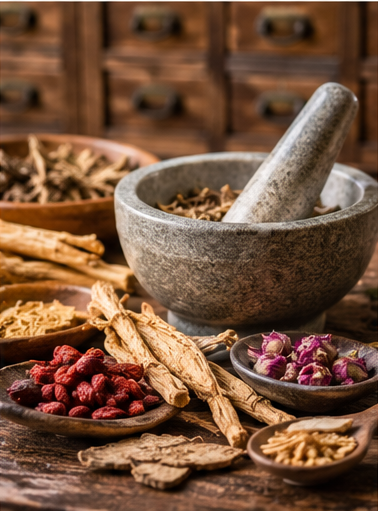
Chinese herbal medicine is one of the oldest and most extensively developed branches of Traditional Chinese Medicine. It involves using plants, minerals, and, historically, some animal-derived substances to address patterns of imbalance and support health.
Unlike the Western approach of often prescribing a single medication for a specific symptom or diagnosis, Chinese herbal medicine traditionally emphasizes individualized formulas based on a person's overall pattern of symptoms, constitution, and presentation.
Herbal formulas may contain several ingredients that work together to achieve a therapeutic goal. Each herb has its own traditional properties, functions, and relationships with other herbs.
Herbal medicine can be prepared in several forms, including:
Decoctions: Herbs simmered in water to create a concentrated liquid
Granules and Powders: Concentrated herbal extracts that can be mixed with water
Teapills: Small, prepared herbal pills
Capsules and Tablets: Convenient forms of herbal formulas
Tinctures: Liquid herbal preparations
A practitioner may recommend different formulas depending on the individual's needs, and formulas can be modified as symptoms and patterns change.
Chinese herbal medicine is used traditionally to address a wide range of concerns, including digestive issues, sleep disturbances, stress-related symptoms, menstrual concerns, and seasonal health challenges.
Herbs are biologically active and can interact with prescription medications or have unwanted effects. They should be prescribed by a properly trained practitioner, with attention to product quality, safety, and individual circumstances.
8. Acupuncture and Moxibustion
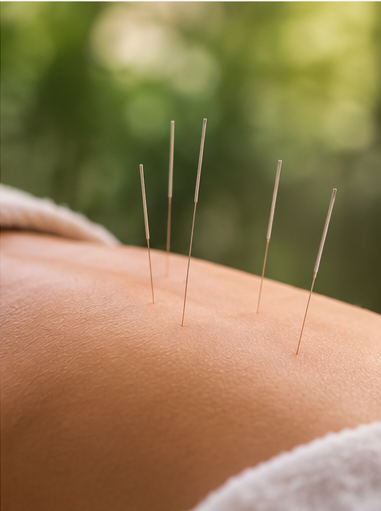
Acupuncture is arguably the most recognized branch of Chinese medicine in the United States. It involves the insertion of very thin, sterile needles into specific points on the body to influence physiological processes and address patterns of imbalance.
According to Traditional Chinese Medicine, Qi circulates through pathways called meridians or channels. Acupuncture points are located along these pathways, and stimulating selected points is intended to regulate the flow of Qi and Blood and restore balance.
Acupuncture treatments are individualized. A practitioner selects points based on a comprehensive evaluation that may include questions about digestion, sleep, energy, emotions, temperature preferences, and other aspects of health, as well as tongue and pulse assessment.
Acupuncture is commonly used to help address:
Musculoskeletal pain and tension
Headaches and migraines
Stress and anxiety symptoms
Sleep disturbances
Nausea
Digestive concerns
Allergies, colds and flus
Moxibustion is another important therapy within this branch. It involves applying gentle heat to acupuncture points or areas of the body using moxa, a preparation commonly made from dried mugwort.
Moxibustion is traditionally used to warm the channels, encourage circulation, and address patterns associated with cold and deficiency.
Acupuncture and moxibustion can be used separately or together, depending on the treatment plan.
Bringing the Eight Branches Together
One of the most beautiful aspects of Chinese medicine is that it does not view health as something that can be achieved through a single treatment or intervention.
Instead, it encourages a comprehensive approach that incorporates the mind, body, lifestyle, and environment.
Consider how these eight branches complement one another:
Meditation supports emotional balance and self-awareness.
Qigong and Tai Chi encourage movement, breathing, and circulation.
Food therapy provides daily nourishment tailored to individual needs.
Bodywork addresses muscular tension and physical discomfort.
Cosmology offers a framework for understanding natural cycles and change.
Feng Shui considers the influence of our surroundings.
Herbal medicine provides individualized botanical therapies.
Acupuncture and moxibustion offer hands-on treatment to address patterns of imbalance.
Not every person needs all eight branches, and not every practitioner specializes in each one. Treatment recommendations depend on the individual's needs, goals, and circumstances.
A Different Way of Looking at Health
Perhaps the greatest lesson of the eight branches is that health is not simply the absence of disease. It is an ongoing relationship between our physical bodies, emotional well-being, daily habits, and the world around us.
Chinese medicine encourages us to become active participants in our own health rather than waiting until something goes wrong to seek care.
Sometimes that may mean receiving acupuncture or taking an individualized herbal formula. Other times, it may mean improving sleep, changing dietary habits, practicing Tai Chi, managing stress, or creating a more peaceful home environment.
The goal is not perfection, but balance.
By combining time-tested traditions with an understanding of modern health and wellness, the eight branches offer a broad perspective on what it means to care for the whole person.